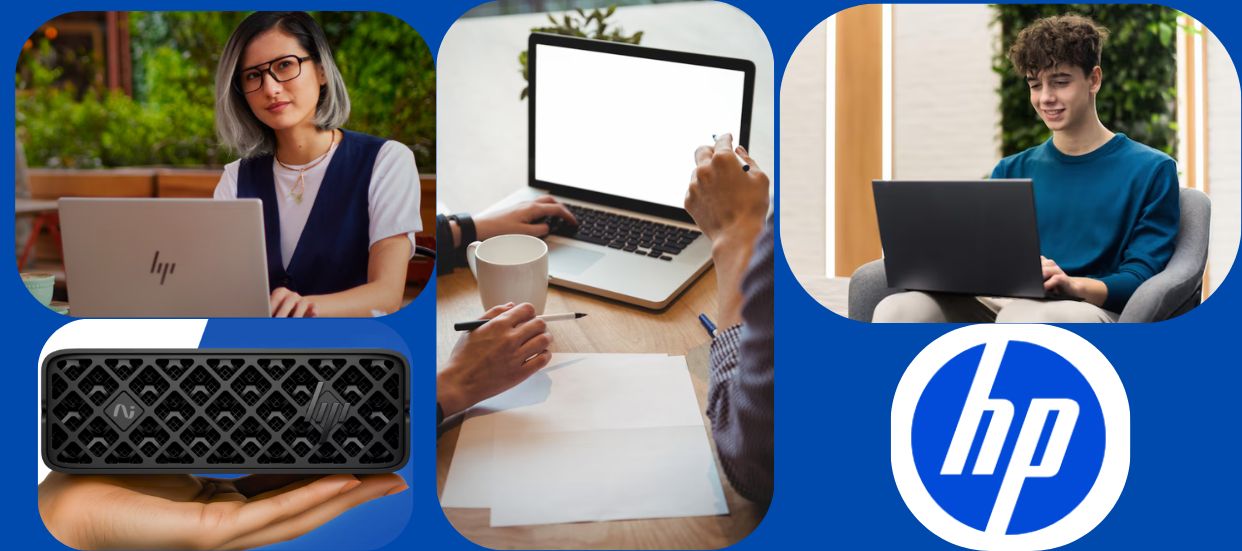
This guide is specifically designed to help students in the USA who are searching for an HP laptop and need a clear picture before making a purchase. It is written for:
- High school students who need a reliable laptop to do their work and study online.
- College students managing research, documents, presentations, and virtual classes.
- Parents purchasing a student's laptop with realistic expectations.
- Budget-conscious buyers comparing affordable HP laptops for students.
It is not a gaming laptop guide, an expensive creative machine guide, or a professional workstation guide, much like choosing the best Apple Watch for fitness tracking, where the focus is on practical daily use rather than premium or specialized features.
It is targeted to the daily academic application, longevity, and value over a period of time, within the context of the real student needs, focusing on budget HP laptops for students that offer reliable performance for study, long battery life for all-day classes, solid build quality for years of use, and excellent value without unnecessary premium features, similar to how buyers evaluate the best security cameras for home outdoor use based on long-term reliability, practicality, and real-world needs rather than luxury extras.
How We Evaluated These Products
These laptops were judged on practical grounds rather than spec-heavy marketing arguments, based on actual student use. Evaluation focused on:
Academic workload suitability: documents, web research, learning portals, and video conferencing.
Multitasking comfort: multitasking should not cause frustration.
Longevity: how well the configuration holds up over several academic years.
Screen usability: comfortable for long sessions of reading and writing.
Portability vs. usability trade-offs: weight, screen size, and daily carry considerations.
Understanding Student Laptop Needs in 2026
When comparing models, it is always useful to know what the majority of students currently require from a laptop.
- Writing papers and notes
- Cloud-based learning systems access
- Live video classes or watching lectures
- Group and email project management
- Light spreadsheet or presentation work
Such activities do not often require fancy processors or graphics.
often overspend on:
- Premium CPUs are never used to capacity
- Too much graphics power is required in gaming
- Very thin designs at the cost of ports and serviceability
On the other hand, underspending usually happens with:
- Insufficient RAM, which slows performance
- Lack of storage, which requires continuous management of files
- Poor resolution screens that damage vision over time
4 Good HP Laptops for Students
1. HP 15.6" FHD Business & Student Laptop (Intel Core i3, 16GB RAM)

What this product is best suited for
This laptop is recommended for students who need a reliable, full-sized laptop for regular use in their academic activities. It is a viable alternative to people who:
- Multitasks and uses various browser tabs regularly
- Write long reports or do long-term research
- Take regular video classes
- Favors a bigger screen due to productivity
It fits well into dorm rooms, study desks, and shared workspaces.
Key Specs:
- 15.6-inch Full HD IPS display (1920×1080)
- Intel Core i3-N305 processor (8 cores)
- 16GB DDR4 RAM
- 256GB SSD
- Windows 11
Pros:
- Full HD resolution enhances the readability and makes it easier to see
- The 16GB RAM is more multitasking-friendly compared to entry-level models
- The fingerprint reader and the camera privacy shutter are inbuilt making it usable in daily lives
- The numeric keypad is advantageous for spreadsheet and data-entry work
Cons:
- It is not portable due to its size of 15.6 inches, which is not easy to carry on a daily commute
- Integrated graphics cannot be implemented with a creative or game workload
- The size of 256GB storage can demand cloud storage or external storage in the long run
2. HP 14" Business Laptop (Intel Celeron, 8GB RAM)

What this product is best suited for
This model is set to accommodate very simple academic requirements. It works best for:
- Younger students
- Online classes and homework
- Basic browsing and writing notes
- Users who value portability over performance
It represents the lower end of low cost laptops for students within the HP lineup.
Key Specs:
- 14-inch HD display (1366×768)
- Intel Celeron quad-core processor
- 8GB DDR4 RAM
- 64GB eMMC storage
- Windows 11 S
Pros:
- Small and convenient to carry around
- Sufficient battery capacity to make a normal school day
- An easy-to-use interface for beginners
- 1-year Microsoft Office 365 included
Cons:
- An HD screen is hard on the eyes when reading extensively
- 64GB storage is easily occupied with updates and files
- Several apps or tabs slow down performance
- Windows 11 S does not allow certain software installations
3. HP 15.6" Touchscreen Business Laptop (Intel Core i3, 32GB RAM)

What this product is best suited for:
The laptop is perfect for students who work with large datasets, handle large files, or do a lot of multitasking. It is best for:
- Those students who work with databases or spreadsheets
- People who have numerous applications running
- People who are concerned with the storage capacity rather than the display quality
- Users who like direct interaction on a touchscreen
Key Specs:
- 15.6-inch HD touchscreen display
- Intel Core i3 processor (6 cores)
- 32GB DDR4 RAM
- 1.5TB SSD storage
- Windows 11
Pros:
- RAM capacity is high and supports multitasking
- Large storage reduces the need for external drives
- A touchscreen provides flexibility in navigation
- The handwriting keypad enhances efficiency at work
Cons:
- The HD resolution is also significantly less sharp than Full HD
- The heavier the construction, the less the portability
- Not all academic processes favor touchscreen
4. HP 15.6" FHD Business & Student Laptop (Intel Core i3, 16GB RAM, 512GB SSD)
What this product is best suited for:
This is a balanced option for students who want to use it long-term without paying high prices. It suits:
- College students intend to use it over a period of time
- Users who require additional storage on their computers
- Students who value display clarity and responsiveness
It aligns well with expectations for the best HP laptop for students, without overreaching
Key Specs:
- 15.6-inch HD touchscreen display
- Intel Core i3 processor (6 cores)
- 32GB DDR4 RAM
- 1.5TB SSD storage
- Windows 11
Pros:
- Balanced storage and memory to do simple academic work
- A Full HD screen enhances the comfort of reading and writing
- Appropriate to use regularly and lasts several years
Cons:
- The bigger the size, the less portable it becomes
- The built-in graphics limit the use of advanced software
- Not designed for power users
Key Buying Considerations for Students
Performance vs. Longevity
What is considered a fast laptop now might not perform well in two years when there is a shortage of storage or RAM. Memory and SSD storage should be given high priority to enhance lifespan, rather than a high-end CPU.
Display Quality
If a student spends hours reading or writing, a full HD display reduces eye strain compared to an HD display, in combination with the best wireless noise cancelling headphones that eliminate distractions and create a comfortable, effective study atmosphere.
Storage Planning
Cloud storage is beneficial, but local SSD space remains important for offline access, backups, and system updates.
Portability Trade-offs
Bigger laptops are more productive but difficult to carry around daily. Smaller laptops are more portable, but they tend to be less comfortable.
Student Discounts and Value
By taking advantage of student discounts on HP laptops and exploring HP laptop deals for students, one can reduce costs, afford better RAM or SSD upgrades, and improve long-term academic performance.
Conclusion
When deciding on the appropriate HP laptop for a student, the question is balancing actual academic requirements with real hardware trade-offs. None of these laptops is tailored for high-end performance, but each one fits a certain kind of student well when it matches their expectations. The most important aspect of making a confident decision is understanding limitations.



_1728727985.webp)



_1733317561.webp)